
Introduction
Enterprise data loss prevention (DLP) tools frequently miss the most damaging vector of intellectual property exfiltration: authorized insiders taking unauthorized actions. When high-value assets—such as unreleased financial results, proprietary source code, or M&A briefing decks—leave your secure perimeter via smartphone photos or air-gapped screen captures, traditional network monitoring tools fall short.
To address this vulnerability, security teams are adopting advanced digital watermarking platforms natively integrated into cloud infrastructure. Tools like EchoMark, accessible via the AWS Marketplace, are reshaping corporate defense by shifting focus from blocking perimeter access to embedding tracking capabilities directly within sensitive files.
By utilizing pixel-level invisible watermarking across document and email pipelines, organizations can trace leaked files back to the exact user, session, and timestamp responsible. At FICS - Forensic Investigations and Consultancy Services, we analyze these technical mechanisms to convert raw leak artifacts into legally defensible evidence.
Pixel-Level Cloud Technology: How Forensic Watermarking Works
Traditional security relies heavily on visible stamps or basic metadata tags. However, malicious insiders can easily bypass visible watermarks using simple cropping techniques, while standard metadata is routinely stripped during conversion to JPEG or PDF format.
Modern forensic watermarking operates at a deeper layer using steganographic pixel-level adjustments. When a document is generated, rendered, or emailed, cloud-native engines evaluate the file structure and apply micro-adjustments to font kerning, line spacing, character geometry, and color luminance.
These subtle modifications act as a uniquely encoded payload for each recipient:
- Vector-Level Spacing Shifts: Microscopic adjustments to line height and letter spacing that remain invisible to the naked eye.
- Luminance and Color Steganography: Minute adjustments to background contrast levels that survive high-compression digital transformations.
- Redundant Pattern Distribution: Multi-layered encoding across every page ensures partial document fragments remain fully decodable.
Because these alterations operate at the structural rendering layer, the embedded signature persists across transformation boundaries. Whether an insider takes a photo of a monitor with a smartphone, prints a hard copy, or exports a compressed PDF, the embedded payload remains intact.
Beyond Metadata: How Invisible Document Watermarking Tracks Internal Leaks
When a sensitive document surfaces on public forums or competitor networks, forensic teams must act quickly to establish source attribution. Relying solely on basic system events can create legal evidentiary gaps; for more on these limitations, read our analysis on SIEM Logs Employee Fraud Evidence: The Legal Myth | FICS.
Invisible document watermarking bridges this gap by providing immutable, content-bound evidence. When an organization discovers a leaked artifact, forensic investigators pass the image or document through specialized extraction algorithms aligned with standards promoted by the Digital Watermarking Alliance.
[ Original Document Payload ]
       │
       ▼ (Cloud Rendering Engine / AWS Marketplace Pipeline)
[ Dynamic Steganographic Layer Added: Recipient ID + Timestamp Hash ]
       │
       ├──► Vector A: High-Res Export ───► Leaked PDF
       └──► Vector B: Screen Capture ────► Leaked Smartphone Photo
       │
       ▼ (Forensic Extraction & Pattern Analysis)
[ Definitive Attribution: Specific Account & Session Confirmed ]
This extraction process decodes the subtle geometric variations, matching them against the organization's cloud generation logs. This approach provides several key analytical advantages:
- Resistance to Analog Hole Exploitation: Capturing a screen with an external device does not strip pixel-level variations.
- Defensibility Against Tampering: Malicious actors cannot alter specific characters without corrupting the underlying document layout.
- Integration with Forensic Tools: Extracted watermark payloads integrate seamlessly into larger investigation workflows. For example, modern platforms leverage solutions like Nuix Neo AI Audit Trails: Preserving Forensic Evidence to combine document attribution with broader forensic timelines.
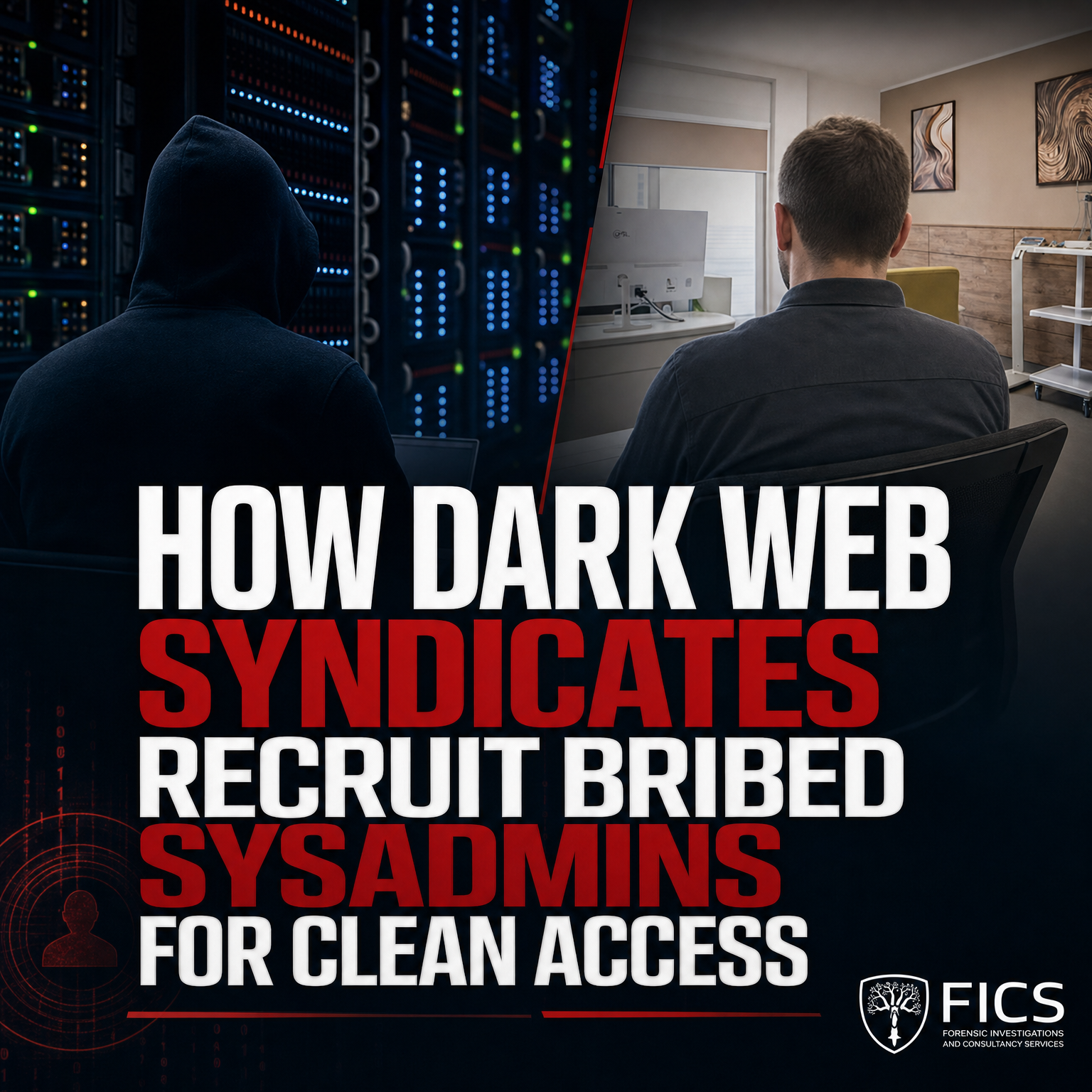
This capability is particularly vital given the rise of corporate espionage syndicates targeting privileged credentials. To understand how external actors exploit internal personnel access, review our piece on Dark Web Insider Recruitment: How Syndicates Bribe Sysadmins.
Strategic Implementation: Practical Steps to Trace Document IP Leaks
Deploying pixel-level watermarking across an enterprise environment requires balancing robust security controls with system performance. Security leaders should follow these strategic deployment steps:
- Deploy at the Cloud Pipeline Level: Integrate automated watermarking engines within central email gateways (e.g., Exchange Online, Gmail) and cloud storage storage buckets via AWS Marketplace to ensure invisible marks are added automatically upon distribution.
- Prioritize High-Risk Assets: Target initial implementation on sensitive materials, such as executive communications, trade secrets, board decks, and unreleased financial reports.
- Establish Cryptographic Logging: Store all dynamic watermark seed keys in immutable, write-once-read-many (WORM) cloud logs to preserve chain of custody for legal proceedings.
- Prepare Pre-Incident Forensic Extraction Models: Test watermark extraction algorithms against various downsampling, cropping, and compression scenarios before an incident occurs.
- Align Security Protocols with Legal Requirements: Ensure watermark logs and attribution reports satisfy local evidentiary standards for corporate IP theft litigation.
Conclusion
As remote work environments and mobile devices expand the enterprise attack surface, traditional perimeter DLP controls are no longer sufficient to secure critical assets. Relying on basic file properties leaves organizations vulnerable when high-value data is exfiltrated through unauthorized captures or screenshots.
Adopting cloud-native forensic watermarking allows organizations to transform passive documents into active, traceable security assets. By embedding dynamic, pixel-level signatures into sensitive files, enterprises can effectively detect, trace, and deter insider threat activity.
At FICS - Forensic Investigations and Consultancy Services, we assist enterprise clients with insider threat investigations, forensic data recovery, and evidence collection. Contact our senior investigations team to strengthen your corporate IP protection strategy.